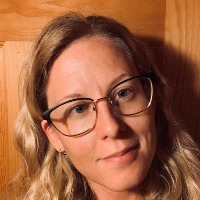
Jessica Caraballo
LCPC
Compassionate counseling with practical steps
- Stress, Anxiety
- Relationship
- Parenting
Attachment-based therapy directory
13 therapists based in Maine name attachment-based therapy among the ways they work. Sessions are online; a therapist can usually only see people in the states where they hold a license, so check the license line on each profile.
Welcome to Attachment Therapists' directory for Maine-based online therapists. All therapists listed here hold licenses to practice in Maine; explore profiles to compare their focus areas, approaches, credentials, languages and experience. Use the listings below to connect with a therapist whose approach fits your needs.
LCPC
Compassionate counseling with practical steps
LCSW
Calm, practical support for life’s hard moments
LPC, LCPC
Compassionate attachment-informed care
LCSW
Compassionate therapist focused on healing relationships
LCSW
Compassionate LCSW helping people build steady change
LCSW
Attachment-informed LCSW focused on practical change
LCSW
Compassionate practical therapy for stress and attachment issues
LCMHC, LCPC
Practical, attachment-informed counseling for adults
LCPC
Experienced Maine counselor focused on relationships and healing
LCSW
Compassionate, practical therapy for tough life moments
LCSW
Experienced, practical help for everyday struggles
Some links on this page are partner links. We will earn a commission if you sign up through one, at no cost to you. It does not change what you pay or the order of the listings.
Online therapy in Maine has become a common way to connect with a counselor without traveling to an office, and it can be an effective option whether you live in Portland, Bangor or a more rural community. When you look at profiles you will often see information about the therapist's license type, clinical focus and the approaches they list. It is important to know that providing services to someone physically located in Maine generally means the therapist should be licensed to practice in Maine. That licensing requirement establishes who oversees a therapist's professional standing and where to look if you need to verify credentials or ask about practice rules.
The technology used for sessions varies from video chat to phone-only options and sometimes text-based check-ins. You can choose a communication format that fits your comfort level and lifestyle. Keep in mind that online therapy requires you to consider your own setting, internet connection and how you will manage interruptions during a session. Thinking through those practicalities ahead of time will help you get the most from remote counseling.
You may find online therapy especially helpful if you live in a town with fewer in-person options, if travel is difficult, or if your schedule makes daytime appointments impractical. Remote sessions reduce commute time and the need to arrange transportation, which many people find makes starting and maintaining counseling easier. Online therapy can also broaden your choices, allowing you to connect with therapists who list particular approaches or experience that are otherwise hard to find locally.
Another advantage is continuity. If you move within Maine, travel across state lines for work, or have fluctuating responsibilities at home, online work helps you keep a consistent therapeutic relationship without repeated transitions. Remote sessions can also make it easier to schedule shorter, more frequent check-ins when that format fits your goals. While some people prefer in-person contact, others discover that the familiarity of their own environment helps them open up more quickly, and that ease can accelerate progress toward the goals you set with a therapist.
Online therapists frequently work with people navigating relationship and attachment concerns, which can include struggles with intimacy, separation, trust and caregiving dynamics. You will also find therapists who list approaches for anxiety and depression, life transitions such as career change or parenting adjustments, and coping with grief or loss. Trauma-related work is often offered as well, and some therapists list trauma-focused approaches among their methodologies.
In addition to individual therapy, many therapists who work online help couples and families address communication patterns, co-parenting challenges and reconnecting after conflict. If you are managing chronic stress related to work, caregiving, or health conditions, you can look for profiles that mention stress management, coping strategies and pacing. Because profiles vary, review descriptions to find therapists whose stated focus aligns with the personal challenges you want to address.
Verifying a license is an important step to make sure a therapist is authorized to practice in Maine. Start by identifying the license type listed on the therapist's profile, such as licensed clinical social worker, licensed professional counselor, marriage and family therapist or psychologist. Note the license number if it is provided; if it is not listed, you can ask the therapist directly for that information before you proceed.
With a license type and number in hand, use the Maine state licensing website or the Office of Professional and Occupational Regulation's license lookup tool to confirm the status. Look for the license status, expiration date and any disciplinary history that might be recorded. If you are unsure which licensing board to consult, you can contact the state office by phone or email and ask for guidance on how to verify a mental health professional's license. If you find any unclear information, reaching out to the licensing office will help you get authoritative answers.
Beginning online therapy starts with narrowing your search to therapists who describe the issues and approaches you want. Read profiles to learn about the counselor's specialties, training borders and languages offered. When you find a person whose description resonates, reach out to ask practical questions about session format, fees, insurance and the methods they use. A brief conversation or intake call can help you get a sense of communication style and whether you feel comfortable with the therapist's approach.
Before your first appointment, choose a quiet space where you will not be interrupted and where you feel comfortable speaking openly. Test your device, camera and microphone ahead of time, and make sure your internet connection is stable enough for a video session if that is the format you plan to use. Have a list of goals or topics you want to address in the initial session and consider sharing these with the therapist so you both start with clear expectations. Also ask about emergency planning and how the therapist handles urgent situations, including what local resources they recommend if you need immediate support while in Maine.
Look for a match between the issues you want to address and the therapist's stated focus. If attachment patterns or relationship dynamics are central for you, prioritize profiles that explicitly mention attachment-informed work or relational approaches. If you prefer a particular method, find therapists who list that approach among their tools. Remember that a therapist listing an approach does not itself indicate a particular level of training, so it is reasonable to ask how they typically integrate that work into sessions and to describe what that approach might look like in practice.
Credentials can tell you which licensing board regulates the therapist and the scope of their practice. Language options are also important - if you prefer to speak in a language other than English, seek therapists who list that language. Experience with populations similar to yours - such as young adults, parents, couples or older adults - can shape how a therapist understands your context. Read profiles and consider contacting therapists to learn more about their experience with the specific concerns you bring.
Practical considerations like session length, fee structure and payment methods influence the logistics of ongoing work. Ask about insurance billing policies and whether the therapist provides a superbill if you plan to seek reimbursement. Equally important is how you feel communicating with a therapist. Trust your sense of comfort after an initial conversation and your first session. If the interaction does not feel like a good fit, it is reasonable to try another therapist until you find someone whose style and approach help you move toward the goals you established.
Choosing an online therapist is a personal process. By verifying licensure, clarifying approaches and preparing thoughtfully for your first sessions, you can find a Maine-based professional who supports your goals and fits your life. Take your time, ask questions, and prioritize a working relationship that helps you feel heard and understood as you pursue the changes you want to make.