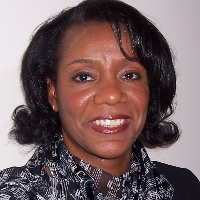
Aiyana Ma'at
LICSW
Compassionate therapist helping people rebuild connection
- Stress, Anxiety
- Relationship
- Self esteem
Attachment-based therapy directory
7 therapists based in District of Columbia name attachment-based therapy among the ways they work. Sessions are online; a therapist can usually only see people in the states where they hold a license, so check the license line on each profile.
Welcome to Attachment Therapists' directory for the District of Columbia, focused on online therapy options. All therapists listed here are licensed in the District of Columbia; explore the profiles to learn about their approaches, specialties and credentials.
LICSW
Compassionate therapist helping people rebuild connection
LICSW
Compassionate support for stress and life changes
LPC
Practical, compassionate counseling for lasting change
LPC
Relationship-focused counselor with trauma experience
LPC
Compassionate counselor focusing on attachment and change
Some links on this page are partner links. We will earn a commission if you sign up through one, at no cost to you. It does not change what you pay or the order of the listings.
Online therapy has become a common way for people in the District of Columbia to access mental health care from home, from work or between commitments. In DC, many licensed clinicians offer therapy through video or phone sessions, enabling you to connect across neighborhoods and reduce travel time. Because regulation of professional practice occurs at the state and district level, therapists who provide online services to DC residents must hold an appropriate license in the District of Columbia. That licensing requirement is intended to align practice with local standards and laws, so when you search for a clinician you will often see license type and jurisdiction listed in their profile.
When you look through listings you will notice a range of approaches and specialties. Some profiles describe attachment-focused work, while others list psychodynamic, cognitive-behavioral or systemic approaches. To help you understand what a therapist offers, search each profile for the approaches they list and the populations they work with. This helps you find clinicians whose orientation and experience match what you are hoping to address in therapy.
Online therapy can offer several practical benefits if you live in the District of Columbia. Eliminating commute time makes it easier to fit regular sessions into a busy day, whether you live near the National Mall, in Upper Northwest or in one of DC's many neighborhoods. You can have a session between work commitments or keep therapy consistent while traveling within the region. The convenience of remote sessions also reduces barriers for caregivers, people with mobility limitations and those with unpredictable schedules.
Another advantage is access to clinicians who list specific approaches that resonate with you. If you prefer a particular therapeutic orientation - for example, attachment-focused work, cognitive-behavioral strategies or family systems perspectives - online options expand the pool of clinicians you can review. In addition, remote therapy makes it easier to maintain continuity of care if you move within the district or temporarily relocate. While therapy delivered online shares many goals with in-person work, you should consider the format that best supports your comfort and therapeutic goals before committing to a particular clinician.
Therapists who offer online services in DC typically work with a broad range of concerns. You can find clinicians who list experience helping with anxiety, depression, relationship challenges, life transitions, stress related to work or caregiving, grief and loss, and concerns rooted in early attachment patterns. Some clinicians name trauma and post-traumatic symptoms among their focus areas, while others emphasize parenting support, couples work or identity-related issues. Because profiles vary in how they describe their focus, reading descriptions for specific populations - such as adolescents, adults, couples or families - can give you clarity about who the therapist often sees.
It is also common to find clinicians who list particular interventions or perspectives among their approaches. For example, you may encounter therapists who list EMDR among their approaches, or therapists who list internal family perspectives or somatic-informed methods among their approaches. Listing an approach does not itself indicate a credential or a standardized pathway of training; it simply signals an orientation or method the clinician includes in their work. When a specific approach matters to you, use the profile to learn how the clinician explains its role and ask about their experience with it when you reach out.
If you want to confirm that a clinician is licensed in the District of Columbia, begin with the District's professional license lookup resources. Search the district's licensing portal or the Department of Health pages that list licensed behavioral health professionals. Enter the clinician's full name and, if available, a license number to confirm that the license is active and issued by the District of Columbia. The public record will typically show license type, status and expiration date.
In the license record check that the attorney's license type matches the services they are offering - for example, psychologist, licensed clinical social worker, licensed professional counselor or marriage and family therapist. Review the status field to ensure the license is current. Many licensing sites also include notes about disciplinary actions or restrictions, and you can follow up with the licensing board if you see any entries that you want to better understand. If the district's website provides a board contact number or an email, that is a helpful avenue for clarifying questions about licensure history.
Start by identifying what you want to accomplish in therapy and what kind of approach you prefer. Read clinician profiles for stated focus areas, the populations they work with, and the approaches they list. Prepare a short list of clinicians whose descriptions resonate with you, then reach out to ask about their general approach to virtual sessions. When you contact a clinician or their office, ask about session length, fee structure and whether they accept your insurance or offer a sliding-scale arrangement. It is also useful to ask how they structure an initial consultation and what paperwork or intake forms they require before your first session.
When deciding whether a clinician is a good fit, pay attention to whether you feel understood by the way they describe their work and whether they have experience with the issues you want to address. Consider language preference and cultural fit, and look for clinicians who mention working with populations similar to yours. Before your first remote session, set up a comfortable environment and ensure a reliable internet connection. Choose a quiet space where you will not be interrupted and test the platform or app the clinician uses so you feel familiar with it. Think about what you want to accomplish in the first few sessions and prepare a few questions about approach, typical session structure and how progress is tracked. Over time, if the approach or pace does not feel aligned with your goals, it is reasonable to discuss adjustments with the clinician or to look for someone whose approach better matches your needs.
Finding the right online therapist in the District of Columbia may take a few steps, but careful review of profiles, verification of licensure and thoughtful questions before starting can help you connect with someone whose approach supports your goals. Use the directory to explore clinician descriptions and approaches, and take the time to choose a clinician whose orientation and experience feel like a good fit for the work you want to do.