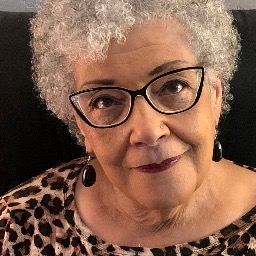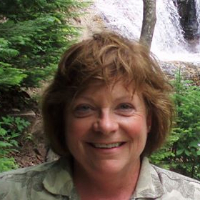
Lisa Hilton
LMSW
Attachment-informed social worker focused on life changes
- Stress, Anxiety
- Relationship
- Trauma and abuse
Attachment-based therapy directory
79 therapists in this directory list Licensed Master Social Worker (LMSW). Registration details are shown as each therapist lists them; the body's own public register is the place to check a number.
A Licensed Master Social Worker (LMSW) holds a graduate degree in social work and has met state licensing requirements for practice. Browse the verified LMSW therapists listed below to review credentials, specialties, approaches, and languages.
LMSW
Attachment-informed social worker focused on life changes
LMSW
Experienced Michigan therapist focused on attachment
LMSW
Therapist blending attachment and practical skills
LMSW
Helping people rebuild connection and confidence
LMSW
Compassionate, practical support for life transitions
LMSW
Compassionate social worker focused on relationships
LMSW
Therapist who blends practical skills and warmth
LMSW
Attachment-informed therapist focused on practical change
LMSW
Compassionate clinician focused on relationships and resilience
LMSW
Compassionate, direct trauma-informed care
LMSW
Compassionate practical care for emotional struggles
LMSW
Experienced therapist focused on connection and coping
LMSW
Compassionate, practical therapy for relationship and life struggles
LMSW
Experienced therapist focusing on attachment and recovery
LMSW
Experienced Michigan therapist offering practical support
LMSW
Calm, practical help for everyday struggles
LMSW
Experienced social worker focused on practical support
LMSW
Compassionate practical help for life’s disruptions
LCSW, LMSW
Compassionate, practical help for relationship wounds
LMSW
Practical therapy focused on hope and strength
LMSW
Calm, practical care for attachment and stress
LMSW
Warm, practical support for everyday challenges
LMSW
Compassionate LMSW offering practical, attachment-aware care
LMSW, LCSW
Compassionate, experienced help for life’s hard moments
LCSW, LMSW
Compassionate social worker for life changes
LMSW
Compassionate attachment-informed therapist
LMSW, LCSW, CSW
Compassionate clinical social worker focused on attachment
LMSW, LCSW
Calm, practical support for relationship and trauma healing
LMSW
Compassionate clinician focused on relationships and healing
LMSW
Gentle support for attachment and trauma recovery
LMSW
Experienced Michigan LMSW focused on relationships
LMSW
Attachment-informed counseling with practical tools
LICSW, LMSW
Compassionate clinician who favors practical tools
LMSW
Compassionate attachment-informed therapy
LCSW, LMSW
Warm, practical support for lasting change
LMSW
Compassionate attachment-informed care for everyday life
LMSW
Compassionate, practical care for emotional recovery
LMSW, LCSW
Practical support for relationship and life challenges
LMSW
Compassionate, practical help for parenting and life changes
Some links on this page are partner links. We will earn a commission if you sign up through one, at no cost to you. It does not change what you pay or the order of the listings.
A Licensed Master Social Worker, or LMSW, is a credential awarded by state licensing bodies to individuals who have completed a master's degree in social work and met specific professional requirements. In general, those requirements include graduating from a Council on Social Work Education accredited program or a state-approved equivalent, completing supervised field training during the degree, and passing a national licensing examination. States set their own rules for scope of practice and any additional supervised experience required for progression to other social work licenses. Because requirements vary by jurisdiction, when you read about the LMSW title you should understand it as a formal recognition that the clinician has met a baseline of graduate education and licensure standards in their state.
Your LMSW therapist will have completed coursework in human behavior, social policy, clinical methods, research, and ethics. During the master's program, students complete practicum hours in community, agency, or clinical settings that provide supervised, hands-on experience. After graduation, many LMSWs continue to accumulate supervised practice hours toward more advanced licensure in the same field. This pathway means that an LMSW combines academic training with applied experience, which shapes a professional approach grounded in social work principles and an understanding of systems, context, and resources.
The scope of what an LMSW may do in practice depends on state rules and employer policies. In many jurisdictions, an LMSW provides psychotherapy, counseling, case management, advocacy, and coordination of services under supervision or within agency frameworks. Where state regulations differentiate licensure tiers, LMSW may be an intermediary license that precedes independent clinical licensure. Other license types, such as clinical social worker credentials in some states, may authorize independent clinical practice without ongoing supervision. When you evaluate different license titles, consider how each relates to autonomy of practice, supervision requirements, and the settings in which clinicians work. Some LMSWs practice within community agencies, schools, hospitals, or clinics where they provide direct therapeutic support while also connecting you with social services and community resources.
Because social work training emphasizes person-in-environment and systems thinking, LMSW clinicians often bring a holistic lens to therapy. You can expect attention to the interactions between personal history, family relationships, community context, and social determinants of wellbeing. This perspective can be especially useful when you want help that addresses both emotional coping and practical concerns like housing, employment, or access to supports.
LMSW clinicians work across a wide range of populations and presenting concerns. Many focus on attachment-related issues, relationship and family dynamics, trauma, grief, parenting, child and adolescent concerns, and mood or anxiety symptoms. Others concentrate on perinatal mental health, elder care, substance-related concerns, or work with specific communities and cultural groups. You will also find LMSW therapists who work in schools, juvenile justice settings, medical clinics, and community organizations. When a therapist lists specific approaches, such as cognitive behavioral approaches, family systems, or mindfulness-informed work, that description indicates what they commonly draw on in sessions rather than an evaluative credential. Similarly, you may encounter therapists who list EMDR among their approaches; that phrasing signals the approach is part of their repertoire rather than formal certification documented here.
You should also look for information about the populations a clinician serves and the languages they use in sessions. Many LMSWs emphasize culturally responsive practice, trauma-informed care, and experience serving clients across the lifespan. If cultural background, language access, or life stage matters to you, seek descriptions of clinical focus that align with your needs so you can better assess fit.
When you want to confirm that a therapist holds an active LMSW license, the most direct method is to consult the state licensing board where the clinician is licensed. Boards typically offer an online license lookup tool where you can search by name or license number to view current status, issuance and expiration dates, and any public disciplinary history. Academic degrees can be verified through the educational institution, and many clinicians will list a license number on their profile. You may also check professional directories and employer pages for corroborating details. If you have questions, it is reasonable to ask a clinician or their administrative contact for the name of the licensing board and their license number so you can verify the record independently.
As you review verification records, look for an active status, the license type designation, and the jurisdiction that issued the license. If a clinician practices across state lines or offers remote sessions that cross jurisdictions, pay attention to licensing rules for each location. Licensing boards can also provide information about the scope of practice associated with a particular credential and any public actions. Verifying these facts helps you make an informed choice about professional qualifications and legal standing.
Choosing an LMSW means selecting a clinician trained to combine clinical skills with attention to broader life contexts. You may find an LMSW helpful if you want a practitioner who can address emotional, relational, and practical concerns while connecting you to community resources and support networks. The social work orientation often prioritizes strengths-based interventions and advocacy for systems-level needs alongside therapy work. When you evaluate potential matches, consider the clinician's described specialties, the therapeutic approaches they list, the populations they serve, and the languages offered. These markers give you a sense of clinical focus and cultural fit.
As you narrow options, think about questions to ask or research before reaching out. You might want to learn more about the clinician's experience with specific issues relevant to you, the modalities they commonly use, how they approach collaboration with other providers, and their experience with client goals similar to yours. You should also consider logistical factors such as session format, insurance or payment arrangements, and whether the clinician's communication style feels compatible with your needs. Asking about typical treatment focuses and how progress is tracked can help you form realistic expectations for the work ahead.
Finding the right LMSW is a personal process that balances professional credentials, clinical approach, and the interpersonal fit you experience. By combining license verification with attention to specialties, languages, and described approaches, you can make an informed choice that supports your goals for therapy and connections to broader resources.