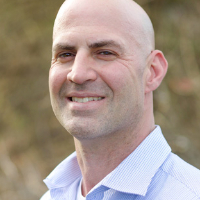
David M Poles, LMHC
Therapist in Massachusetts
David M Poles uses attachment-based ideas to guide his work with adults.
- Licensed inMassachusetts
- License5667
- NPI 1912123571
- Experience24+ years
- LanguagesEnglish
Details are as listed on the therapist's public professional profile. You can check any license with the state board and any NPI with the national registry.
About David
David M Poles uses attachment-based ideas to guide his work with adults. He focuses on how patterns of relating shape feelings and behavior. He helps people who are dealing with anxiety, depression, addiction, relationship strain, and other life stresses.
He blends client-centered listening with practical tools from cognitive behavioral therapy. Sessions are straightforward and focused on what matters most to the client. He encourages honest but caring feedback and supports people who want to learn and change faster.
Background and approach
Many clients come for help after a breakup, during a career shift, or when parenting feels overwhelming. He also addresses issues like anger, grief, sleep trouble, impulsivity, and challenges tied to trauma or military experience. He works to make difficult experiences feel more understandable and manageable.
David draws on 24 years of clinical experience as a licensed mental health counselor, LMHC. In sessions he pays attention to how early relationships influence current patterns and offers practical strategies to interrupt unhelpful cycles. People can expect clear conversation and collaborative planning.
He practices in Massachusetts and conducts sessions in English. Therapy aims to build better ways of relating, reduce distress, and help clients move toward goals they set together.
Credentials
- LMHC (Massachusetts)
- License 5667 · expires December 2027
- NPI
- 1912123571 · national provider identifier
Both are public records. A state board register will confirm a license and its standing, and the national registry will confirm an NPI. This directory copies what the therapist lists and checks neither.
Focus areas and approaches
Everything David lists on their public professional profile, in their own terms.
- Addictions
- Relationship issues
- Family conflicts
- Anger management
- Self esteem
- Stress, Anxiety
- Trauma and abuse
- Grief
- Intimacy-related issues
- Sleeping disorders
- Parenting issues
- Career difficulties
- Bipolar disorder
- Depression
- Coping with life changes
- Compassion fatigue
- ADHD
- Abandonment
- Attachment issues
- Communication problems
- Control issues
- Divorce and separation
- Family of origin issues
- Fatherhood issues
- Forgiveness
- Guilt and shame
- Impulsivity
- Life purpose
- Men's issues
- Veteran and Armed Forces Issues
- Money and financial issues
- Mood disorders
- Narcissism
- Process addiction (porn, exercise, gambling)
- Self-love
- Social anxiety and phobia
Approaches David names
Naming an approach is not evidence of training in it. This directory copies what each therapist lists and does not check training records.
Online support
How attachment and practical therapies work online
Attachment-Based Therapy looks at how early relationships shape current patterns in close relationships. It helps people understand why they react a certain way in intimacy and learn new ways of relating. Client-Centered Therapy emphasizes listening and empathy to help clients feel heard and to build self-directed change. Cognitive Behavioral Therapy (CBT) offers concrete skills to change unhelpful thoughts and behaviors that keep problems like anxiety and depression going.Choosing the right approach is a collaborative process. The therapist will talk with the client about goals, preferences, and how symptoms show up, then tailor a mix of attachment insights, client-centered support, and CBT tools. The plan can change as progress is made and different strategies are tested.
Online therapy offers flexibility and several practical benefits. Video calls let people use body language and deeper conversation from different locations. Phone sessions can work when bandwidth is limited or when someone prefers not to be on camera. Live chat and text-based messaging are useful for brief check-ins, skill practice, or when a shorter format fits a busy day. These options make it easier to keep consistent work toward relationship and mood goals while fitting therapy into everyday life.
We will earn a commission if you sign up through our link, at no cost to you. It does not change what you pay or the order of the listings.
Frequently asked
What kinds of concerns does this therapist address?
He helps with a wide range of issues including addictions, anxiety, depression, trauma and abuse, relationship and intimacy problems, grief, sleep issues, parenting strain, and career or life transitions.
What is his general therapeutic style?
His style combines attachment-based perspective with client-centered listening and cognitive behavioral techniques. Sessions aim to be direct, caring, and focused on practical change.
How much clinical experience does he have?
He has 24 years of experience working with adults on relationship and mood concerns and related issues.
What are his credentials and where is he based?
He is an MA LMHC, which stands for Master of Arts and Licensed Mental Health Counselor, and he practices in Massachusetts.
In which languages are sessions offered?
Sessions are offered in English.
What session formats are available?
He works online using video calls, phone sessions, live chat, and text-based messaging to fit different preferences.
How does cost and payment work?
Cost varies with location and therapist availability; sessions are provided through a subscription that can be canceled at any time.
How do I begin working with this therapist?
Start by selecting the Start Therapy button, complete a short matching questionnaire, and then schedule sessions according to the therapist's availability.
More therapists in Massachusetts
See all
Jeri Ryan
LMHC
Compassionate counselor for attachment and life change
- Stress, Anxiety
- Trauma and abuse
- Grief

Chabreah Alston
LMHC
Compassionate LMHC focusing on attachment and connection
- Stress, Anxiety
- LGBT
- Relationship

Lynda Ketcham
LICSW
Compassionate, experienced therapist for life transitions
- Stress, Anxiety
- Grief
- Self esteem
Is this your profile?
Ask us to correct details or take the page down.
Contact us