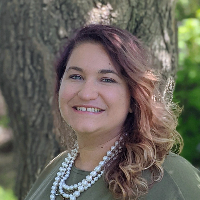
Brittany Schwarten, LCSW
Therapist in Wisconsin
Brittany Schwarten is a licensed clinical social worker with 11 years of experience helping people manage stress, anxiety, trauma, and life transitions.
- Licensed inWisconsin
- License9620-123
- NPI 1457804833
- Experience11+ years
- LanguagesEnglish
Details are as listed on the therapist's public professional profile. You can check any license with the state board and any NPI with the national registry.
About Brittany
Brittany Schwarten is a licensed clinical social worker with 11 years of experience helping people manage stress, anxiety, trauma, and life transitions. She centers her work on listening first and giving practical tools so individuals can lead their own change. Her style is direct and goal-oriented, but also warm and nonjudgmental.
She has worked in independent practice, school-based settings, and higher-level care programs. That range gave her experience with one-on-one therapy and running groups, including DBT skills groups and parent psychoeducation.
Background and approach
Those settings shaped her focus on both day-to-day coping skills and deeper relational patterns. Brittany blends approaches to fit each person’s needs instead of following a single method. She leans on Attachment-Based work to look at how early relationships affect current ones.
She also draws from Cognitive Behavioral Therapy and EMDR when appropriate to address thought patterns and traumatic memories. In sessions she tends to be honest and straightforward, offering challenges when it helps someone move forward. She emphasizes building trust so people feel heard and can try new ways of relating to themselves and others.
Brittany also provides practical resources for self-care and skill practice between meetings. Parents and young adults often seek her out for help with communication problems, parenting strain, intimacy concerns, and navigating identity issues. She also supports people dealing with OCD, bipolar symptoms, ADHD, self-harm history, and compassion fatigue.
Brittany accepts clients from Wisconsin and international clients in English.
Credentials
- LCSW (Wisconsin)
- License 9620-123 · expires February 2027
- NPI
- 1457804833 · national provider identifier
Both are public records. A state board register will confirm a license and its standing, and the national registry will confirm an NPI. This directory copies what the therapist lists and checks neither.
Focus areas and approaches
Everything Brittany lists on their public professional profile, in their own terms.
- Stress, Anxiety
- Trauma and abuse
- Depression
- Coping with life changes
- Coaching
- LGBT
- Relationship issues
- Family conflicts
- Intimacy-related issues
- Parenting issues
- Anger management
- Self esteem
- Career difficulties
- Bipolar disorder
- Compassion fatigue
- ADHD
- Abandonment
- Codependency
- Communication problems
- Obsessions, compulsions, and OCD
- Post-traumatic stress
- Self-harm
- Self-love
- Women's issues
- Young adult issues
Approaches Brittany names
- Attachment-Based Therapy
- Client-Centered Therapy
- Cognitive Behavioral Therapy (CBT)
- Dialectical Behavior Therapy (DBT)
- Eye Movement Desensitization and Reprocessing (EMDR)
- Mindfulness Therapy
- Motivational Interviewing
- Trauma-Focused Therapy
Naming an approach is not evidence of training in it. This directory copies what each therapist lists and does not check training records.
Online support
How attachment work and skills-based therapy translate online
Attachment-Based Therapy looks at how early relationships shape current patterns and emotional responses. Online sessions can use conversation and reflective questions to uncover those patterns and practice new ways of relating. Cognitive Behavioral Therapy (CBT) focuses on identifying unhelpful thoughts and testing new behaviors to reduce symptoms like anxiety and depression. In online sessions this often means homework between meetings and using simple tools to track thoughts and behaviors. Eye Movement Desensitization and Reprocessing (EMDR) is used to process traumatic memories; when offered online it involves guided protocols adapted for video to help reprocess distressing events.Choosing the right combination of approaches is part of the work. The therapist will collaborate with each person to decide whether attachment-informed exploration, skills-based CBT, EMDR, or a blend fits best. That choice can change over time as goals shift and progress is made.
Online therapy offers flexibility that helps people fit sessions into busy lives. Video calls allow face-to-face connection, phone sessions work when bandwidth is limited, live chat can be a quick check-in, and text messaging supports ongoing reflection between sessions. These options make it easier to keep continuity, try different formats, and practice new skills in day-to-day life.
We will earn a commission if you sign up through our link, at no cost to you. It does not change what you pay or the order of the listings.
Frequently asked
What kinds of concerns can I bring to therapy?
She helps with stress, anxiety, trauma and abuse, depression, and coping with life changes. Other areas include parenting, relationship and intimacy-related issues, ADHD, bipolar concerns, and compassion fatigue.
How would you describe her therapeutic style?
Her approach is direct and goal-oriented while remaining empathetic and nonjudgmental. Sessions combine listening with practical tools and occasional challenges to encourage growth.
What is her background and experience?
She has 11 years of experience across independent practice, school-based therapy, and higher-level care programs. She has also led groups like DBT skills training and parent education.
What credentials and location are listed?
She is a Licensed Clinical Social Worker (LCSW) licensed in Wisconsin. Her practice is based in Wisconsin.
What languages are supported and can international clients connect?
Sessions are offered in English, and she accepts international clients.
Which session formats does she offer?
She meets via video calls, phone sessions, live chat, and text-based messaging to suit different needs and schedules.
How does payment and cost work?
Cost varies with location and therapist availability. Sessions use a subscription model that can be canceled at any time.
What are the steps to begin working together?
Start by selecting the Start Therapy button and completing a short matching questionnaire. Then schedule sessions according to the therapist's availability.
More therapists in Wisconsin
See all

Rebekah Wolff
LPC
Warm LPC blending attachment and skills-based care
- Stress, Anxiety
- Relationship
- Self esteem

Dr. Denise Petrelli-Holst
LPC
Experienced counselor with varied career background
- Stress, Anxiety
- Self esteem
- Career
Is this your profile?
Ask us to correct details or take the page down.
Contact us