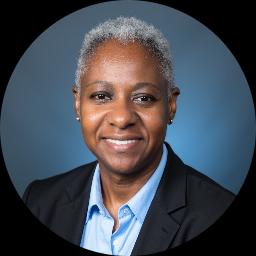
Johnnie Terrell
LCSW, LISW-CP
Calm practical support for emotional struggles
- Stress, Anxiety
- Relationship
- Trauma and abuse
Attachment-based therapy directory
20 therapists in this directory list Licensed Independent Social Worker - Clinical Practice (LISW-CP). Registration details are shown as each therapist lists them; the body's own public register is the place to check a number.
Licensed Independent Social Worker - Clinical Practice (LISW-CP) is a clinical social work license that denotes advanced education and supervised clinical experience for independent practice. Below you can browse verified LISW-CP therapist profiles to learn about their focus areas, approaches, languages, and professional credentials.
LCSW, LISW-CP
Calm practical support for emotional struggles
LCSW, LISW-CP
Compassionate, practical therapy for lasting change
LISW-CP
Experienced attachment-informed therapist
LISW-CP, LCSW, CSW
Compassionate social worker for life transitions
LISW-CP
Compassionate, practical support for life transitions
LCSW, LISW-CP
Compassionate, direct support for life's hard moments
LISW-CP
Attachment-informed social worker with practical focus
LISW-CP
Compassionate clinician focused on attachment and action
LISW-CP
Experienced clinical social worker focused on attachment and healing
LCSW, LISW-CP
Calm, practical support for everyday struggles
LCSW, LISW-CP
Compassionate social worker for life transitions
LISW-CP, LCSW
Calm, direct support for relationship and anxiety struggles
LCSW, LISW-CP
Calm, practical support for life’s hard moments
LISW-CP
Supportive therapist focusing on attachment and coping
LISW-CP, LCSW
Practical therapy that focuses on attachment and change
LCSW, LISW-CP
Calm, practical help for mood and relationship struggles
LISW-CP
Calm guidance for attachment and life challenges
LCSW, LISW-CP
Practical, compassionate therapy for relationship struggles
Some links on this page are partner links. We will earn a commission if you sign up through one, at no cost to you. It does not change what you pay or the order of the listings.
A LISW-CP credential identifies a social work professional who has completed graduate-level social work education and a period of supervised clinical practice beyond initial licensure. In most states the pathway begins with a master of social work degree or its equivalent, followed by a required number of post-graduate supervised clinical hours and successful completion of state licensing examinations. The LISW-CP designation reflects that a clinician has met a state board's criteria for independent clinical practice, which typically includes training in assessment, diagnosis, and psychotherapy skills along with ongoing continuing education requirements. Since licensing rules differ by state, the details of coursework, the amount of supervised experience, and the exact license name can vary. When considering a LISW-CP, it helps to think of the credential as an assurance that the professional completed both academic study and structured clinical supervision aimed at developing competency in providing clinical social work interventions.
Education for a LISW-CP generally emphasizes clinical theory, assessment methods, and intervention planning rooted in social work values. After graduate study, candidates complete a period of supervised clinical work under a board-approved supervisor who documents clinical hours and skill development. State licensing boards evaluate these records before granting the LISW-CP classification. This combination of academic preparation and supervised practice is designed to prepare clinicians to work independently with individuals, families, and groups across a range of presenting concerns.
A LISW-CP is often authorized to provide clinical assessment, diagnosis, and psychotherapy without direct oversight. This differs from pre-licensure social work roles that require supervision and from some other professional licenses that emphasize different training backgrounds. Compared with license types focused on counseling or psychology, LISW-CP professionals bring a social work lens that integrates clinical skills with attention to social systems, resources, and the broader context of a person's life. In some jurisdictions a LISW-CP may provide clinical supervision to other social workers, and they may be eligible to work in certain clinical roles in community agencies, hospitals, schools, or independent practice settings. Because scope and permitted activities are determined by state medical and social work boards, the practical differences between license types can vary and are best confirmed with the relevant licensing authority.
LISW-CP clinicians typically collaborate with other health professionals when a client's needs cross disciplines. Their training emphasizes case conceptualization that accounts for both individual symptoms and environmental factors, which can make them well-suited to coordinate care with physicians, educators, or community service organizations. If you are trying to understand how a LISW-CP compares to other licensed professionals in your area, checking the state board's scope of practice statements will clarify what each license allows.
You will find LISW-CP therapists working across a wide range of specialties. Many focus on attachment-related concerns, trauma and post-traumatic responses, family systems and parenting, mood and anxiety disorders, grief and loss, and life transitions. Others emphasize work with adolescents, older adults, couples, or specific populations affected by systemic issues such as housing instability or involvement with child welfare systems. Some LISW-CP clinicians describe approaches they use, such as cognitive-behavioral methods, relational or attachment-based approaches, or trauma-informed frameworks. When a profile lists a modality, that indicates the clinician includes that approach among their methods rather than guaranteeing a particular credential in it.
Specialty areas shape how clinicians structure sessions and what kinds of resources they draw on. For example, a LISW-CP who focuses on family work may emphasize relational patterns and communication strategies, while one who lists trauma-informed approaches may integrate pacing and stabilization techniques into treatment planning. Language skills, cultural competence, and experience working with specific communities can also be important factors in determining fit between you and a therapist. Profiles often note these elements so you can compare how clinicians describe their focus and approach.
Verifying a LISW-CP credential helps you confirm that the license is current and in good standing. Start with your state social work licensing board's online license lookup tool which typically allows you to search by name or license number. That lookup should show license status, issue and expiration dates, and any public disciplinary actions. If an online lookup is not available, the board can often be reached by phone to confirm details. You can also review a clinician's listed education and supervisory history on their public profile and, if you want more detail, ask the clinician directly for their licensing information. Educational institutions can verify degrees and transcripts when necessary, and many boards publish the requirements that must be met for a LISW-CP so you can compare those requirements to what a clinician lists.
When verifying credentials, pay attention to whether the license is active, whether it has any restrictions, and whether the clinician's title aligns with the board's designations. If a profile or clinician uses terms that are not regulated in your state, verify the official license type through the board. Confirming these details can help you evaluate whether a clinician's professional standing meets your expectations for clinical practice and ethical standards.
Choosing a LISW-CP may offer several advantages depending on your needs. These clinicians are trained to consider both psychological and social factors that influence wellbeing, which can be especially helpful when life circumstances, systems, or relationships are central to the issues you want to address. Their background often includes experience connecting people to community resources and navigating service systems, which can add practical support alongside psychotherapy. Many LISW-CP professionals emphasize collaborative, strengths-based work that aims to enhance coping, relationships, and functioning within real-life contexts.
When looking for a LISW-CP, start by identifying the issues you want to address and any practical preferences such as language, cultural background, or therapeutic approach. Read profiles to learn how clinicians describe their focus, methods, and the populations they work with. Consider reaching out with a brief message to ask about their experience with the concerns that matter most to you and to get a sense of communication style. It can also help to ask about typical session length, fees, and whether they work with your insurance or offer sliding scale options. Trust how you feel about a clinician's responses and clarity of explanation, since rapport and mutual understanding are important for progress. If you are navigating systems such as schools, courts, or medical providers, look for a LISW-CP who mentions collaborative work or experience with those systems. Ultimately, the goal is to find a clinician whose combination of skills, approach, and professional standing aligns with the support you are seeking.
Choosing a LISW-CP is a personal decision shaped by the fit between your needs and a clinician's expertise. Use the profile information below to compare specialties, approaches, languages spoken, and licensure details as part of your search. Verifying credentials through the state board and asking focused questions can help you make an informed choice about who may be the right match for the work you want to do.